The Great Standoff: Kandahar, Kabul, and the Rights of Afghan Women
S. Frederick Starr
Even though China, Russia, and many other countries engage actively with projects in Taliban-ruled Afghanistan, the government in Kabul still suffers gravely from the lack of formal recognition, beginning with the United Nations. Many countries accord charges d’affaires from Kabul most of the privileges of ambassadorships. Yet the fact that major international financial institutions withhold recognition severely limits the Taliban government and could even threaten its rule.
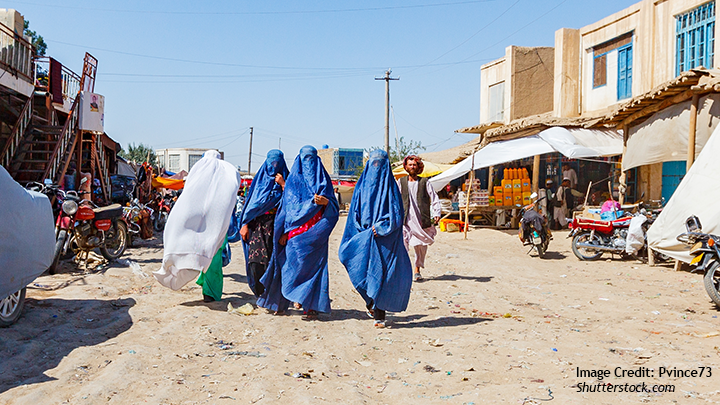
The chief cause of this international standoff are accusations of terrorism and the Taliban’s laws that restrict women’s lives, limit their access to education, and ban them from the labor force. Charges of Afghan terrorism now arise mainly from its neighbors Pakistan and Tajikistan. But the issue of women’s rights in Afghanistan remains at the top of the international agenda. At an international conference in Uzbekistan in 2024 the foreign ministers of several dozen countries, including China and Russia, all declared that they would not consider recognition until Kabul lifted its constraints on women. Putin subsequently reneged on Foreign Minister Lavrov’s position, but Russia remains a rare exception.
What accounts for Kabul’s stubbornness on the key issue of women’s rights Afghanistan’s new rulers know that they are under mounting domestic pressure to bring the country into the modern world. They also realize that deals with foreign investors will increase contact with the modern world with all its complexities. A number of top Taliban themselves, having lived in the Gulf states while negotiating with Washington, observed there the expansion of women’s education and the erosion of Muslim guardianship laws, and could see the link between such policies and economic growth.
Read the full article in CACI website published on November 23, 2026.