
Stockholm Center for Arctic Policy and Governance (ARCPOL)
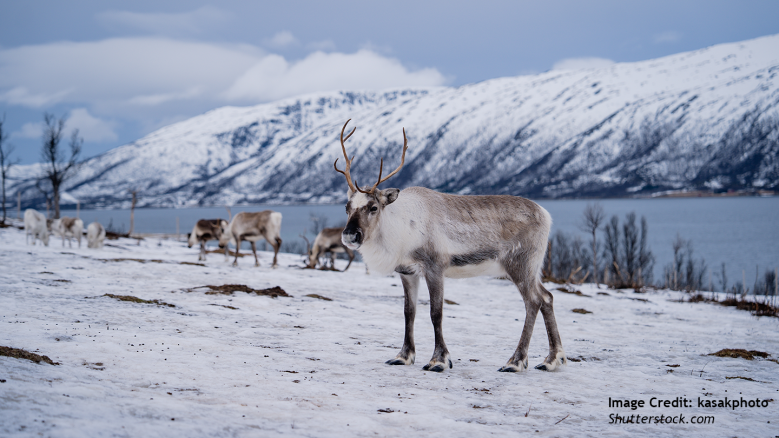
The Stockholm Center for Arctic Policy and Governance (ARCPOL) at the Institute for Security and Development Policy (ISDP) is a dedicated hub for research, dialogue, and policy exchange focused on the geopolitical, environmental, economic, and security developments shaping the Arctic. Along the lines of the established regional Centers of ISDP—such as the Stockholm Center for South Asian and Indo-Pacific Affairs—ARCPOL integrates regional security with global governance. It directly builds upon the foundational work of ISDP’s long-standing Arctic Focus initiative and its Sino-Arctic Policy Program, bridging the gap between Arctic regional dynamics and broader Asian and global strategic developments.
As climate change accelerates global interest in and access to maritime routes and critical resources, ARCPOL concentrates its policy-oriented research around four interconnected strategic pillars:
1) Just Green Transition: Assessing the socio-economic and strategic risks and impacts of the shift toward fossil-free industries and increased global interest in Arctic natural resources extraction. Analysing renewable energy expansion, energy independence and security, and the responsible extraction of critical minerals and related land use challenges in the High North.
2) Soft Security: Placing social and environmental sustainability at the core. This pillar examines multilateral frameworks, networks, and environmental diplomacy. It specifically addresses non-military vulnerabilities—such as by analysing climate risks and industrial land use affecting habitability and regional food security – the resilience-building blocks of the Arctic region – alongside global implications.
3) Hard Security: Through the Arctic Focus project, this research area focuses on how the High North is changing as major powers expand their interests, capabilities, and presence in the region, and NATO’s role in Arctic defence. A particular emphasis is placed on the growing Sino-Russian partnership, including joint military activities, emerging defence technologies, and the development of dual-use capabilities that could affect future Arctic operations. The project explores how cooperation between China and Russia under initiatives such as the “Polar Silk Road” may influence the strategic balance in the region, from maritime security and surveillance to advanced technologies, space capabilities, and military innovation. It also assesses how these developments affect Transatlantic security cooperation and defence planning in the High North.
4) Indigenous and Arctic Local Communities: Ensuring that northern development, regional infrastructure governance, and climate adaptation actively respect the sovereignty, livelihoods, and traditional and local knowledge of Arctic local communities and Indigenous Peoples.
Mission
Rapid environmental and geopolitical changes in the Arctic increase policy and security concerns for the region. Consequently, the importance of social science research regarding the Arctic has been rising, specifically in terms of the political, security, and strategic policy implications for future developments. ARCPOL aims to sustain a peaceful, secure, and sustainable Arctic by enhancing global policy awareness of how northern environmental changes directly drive shifting geopolitical realities.
The mission of ARCPOL is to serve as a neutral, bridge-building platform between academia, local Arctic communities, and decisionmakers in government and the private sector. The goal is to contribute to existing research and increase policy dialogue with the Arctic Council and the European Union, and the non-Arctic states interested in the growing economic and strategic importance of the region. By embedding regional Arctic research and policy analysis within ISDP’s broader expertise in Euro-Atlantic and Asian security, the Center delivers independent research and actionable policy recommendations.
Current Research Projects
Within a European research project focused on systemic climate risk assessment, ARCPOL contributes to producing knowledge for EU-wide assessments of systemic risks related to adaptation and resilience.
ARCPOL Activities
To fulfil its mandate as an international hub for collaborative research and strategic foresight, ARCPOL engages in the following core activities, categorized by operational pillars:
Research and Policy Dialogue
• Strategic Research and Policy Publications: focusing especially on climate and natural resource governance, and Arctic security.
• Multi-level Stakeholder Interaction and Dialogues: Organizing expert roundtables, workshops, and webinars that bring together stakeholders to foster inclusive governance dialogue and pragmatically de-conflict emerging friction points.
• Global Partner Networks: Strengthening cooperative research channels with institutional partners across the Arctic states, the European Union, and interested global actors.
• Educational Outreach: Hosting international policy experts and contributing to ISDP’s active internship program designed to train the next generation of cross-regional Arctic policy analysts.
Dissemination & Policy Impact (via projects & Center Initiatives)
• Direct EU Policy Communication: Facilitating direct climate risk assessment communications via the project framework.
• Scientific Outreach: Publishing open-access research in high-impact journals, participating in international conferences, and hosting interactive Living and Learning Labs.
• Targeted Briefs & Factsheets: Generating tailored briefs for EU, national, and regional policymakers addressing systemic risk, risk ownership, and adaptation pathways, alongside localized factsheets and infographics.
• Public Engagement: Maintaining active public outreach through strategic social media engagement, regular newsletters, and media press releases, mainly via ISDP communications.