Triangular Tensions and Tactical Cooperation: PRC–DPRK–Russia
Niklas Swanström
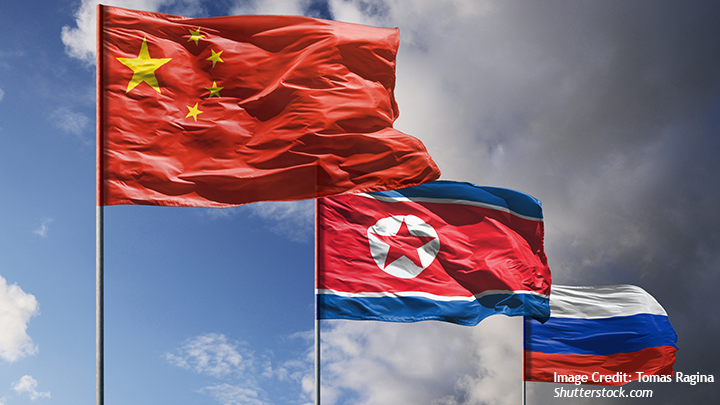
The China–DPRK–Russia relationship between 2020 and 2025 reflects a series of strategic interactions marked by intensified bilateral cooperation alongside enduring tensions and competitive dynamics. Rather than constituting a cohesive anti-Western alliance, the three states operate through overlapping bilateral ties driven by short-term tactical interests, and deeper integration is constrained by structural limits. Chinese and DPRK support for Russia following its invasion of Ukraine—despite Beijing’s official claims of neutrality—has raised concerns about the extent and durability of cooperation among these authoritarian actors and their potential for coordinated action against the European Union and the broader West. While the relationship exceeds a mere marriage of convenience, it should not be mistaken for a values-based trilateral alliance. Instead, it is largely reactive and oppositional in orientation. This paper analyzes the strengths and weaknesses of these intersecting relationships and assesses their implications for Western diplomacy, highlighting opportunities to exploit internal frictions while managing coordinated challenges to the U.S.-led international order.