China’s Free Ride at Hormuz
Jagannath Panda
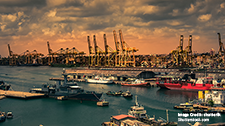
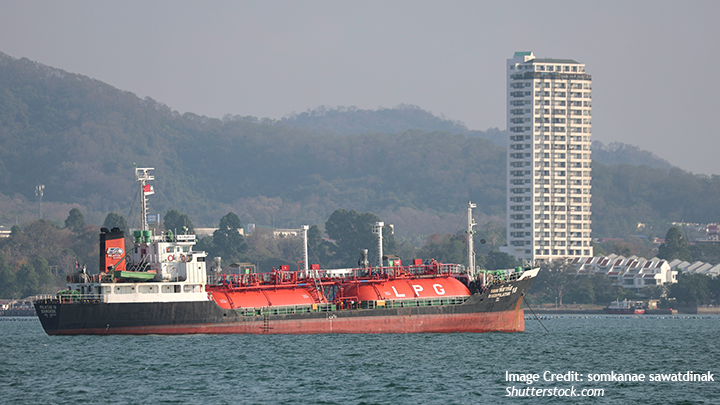
The Strait of Hormuz has once again emerged as a geopolitical fault line. As tensions deepen across the Iran–Israel–U.S. axis, the narrow maritime corridor, through which nearly a fifth of global oil flows, has become a site of selective disruption, coercive signalling, and strategic manoeuvring. Shipping slowdowns, rising insurance costs, and episodic targeting of vessels have injected uncertainty into global energy markets. Yet, amid this turbulence, Chinese-linked oil shipments, particularly from Iran, have continued to move with relative resilience. The crisis, therefore, is not experienced equally; it is filtered through networks of power, sanctions evasion, and strategic alignment.
Beijing’s response has been predictable on the surface: calls for restraint, dialogue, and the safeguarding of international shipping lanes. But beneath this carefully curated neutrality lies a more complex and arguably more troubling reality. China is not merely an interested observer of the Hormuz crisis. It is a principal beneficiary of the status quo, a selective participant in regional dynamics, and an actor whose long-term ambitions are increasingly at odds with its short-term reluctance to assume responsibility.
Read the full piece here in The Diplomat published on March 23, 2026.