Gender Polarization among South Korean Youth: Determinants, Conscription, and Comparative Insights from Sweden
Hannah June Kim
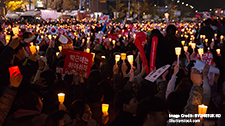
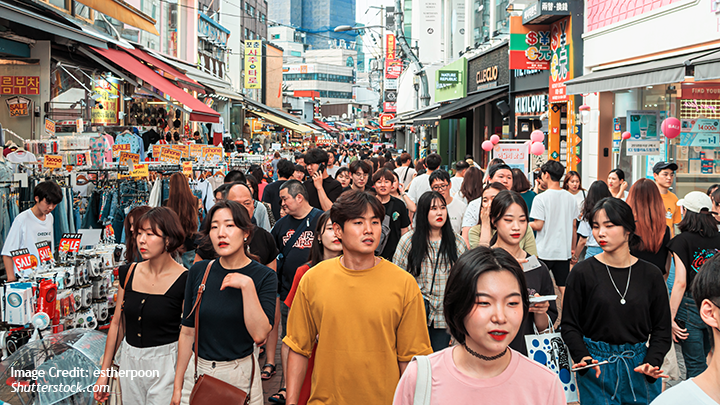
Gender polarization among young South Koreans has become one of the most significant social and political dynamics of the past decade. Young men and women are increasingly viewed as separate, and often opposing, groups. Although frequently framed as a cultural or ideological divide, the tensions are often rooted in structural pressures and institutional arrangements. Employment insecurity, soaring housing costs, and male-only mandatory military service generate grievances that are often expressed in zero-sum terms. Online discourse further amplifies identity-based antagonism and grievance narratives. Despite different historical and security contexts, comparative insights from Sweden suggests possible institutional responses. Sweden treats gender equality as a matter of institutional design, embedding shared responsibility through gender mainstreaming and gender-neutral conscription. Examining such approaches highlights how incentive structures, institutional trust, and shared social duties can shape gender relations and help mitigate polarization.