NEW AGE OF STRATEGIC NATIONALISM
Jagannath Panda
The liberal international order is not disappearing; it is being transformed by the rise of a more protective, nationalist, and interest-driven conception of world politics. Across both democratic and non-democratic states, the language of sovereignty, strategic autonomy, economic security, and national resilience increasingly outweighs commitments to universal norms and collective governance. The result is an emerging order that is less liberal, less predictable, and more transactional.
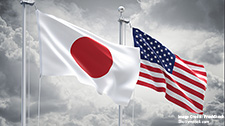
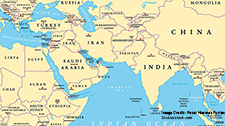
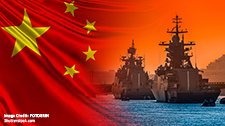
This transformation is visible in both Washington and Beijing. The United States, traditionally the principal architect of the liberal international order, has become increasingly selective in its commitment to the very institutions and rules it once championed. China, meanwhile, continues to expand its diplomatic influence through pragmatic engagement, economic statecraft, and institutional activism. While both powers are likely to exhibit dominant and, at times, coercive tendencies, Beijing may enjoy a comparative advantage through its ability to combine strategic patience with flexible diplomacy. The Indo-Pacific increasingly reflects this reality. Rather than strengthening universal institutions, states are turning towards minilateral arrangements and issue-based coalitions (such as AUKUS, Quad, Australia-India-France) designed to protect specific national interests. These platforms may enhance security and economic cooperation, but they are unlikely to replace a broader rules-based order. Consequently, an international system characterised by selective adherence to rules, the unequal application of justice, and the erosion of legal norms may become the new normal.
Yet this trend will also generate growing demands for reform. Calls to reform and restructure global institutions, particularly the United Nations and the UN Security Council, are likely to intensify. In this debate, the Global South will gain greater political momentum, seeking not merely representation within the existing order but a meaningful role in shaping its future.
(This experts take from Jagannath Panda is a part of the 9Dash Line’s specialize experts take issue titled “In Forum USA250: The Future of The Liberal International Order in the Indo-Pacific” published on July 1, 2026).