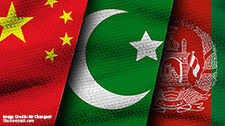
The Silk Road and South Asia: China’s Bridge from Regional to Global Politics
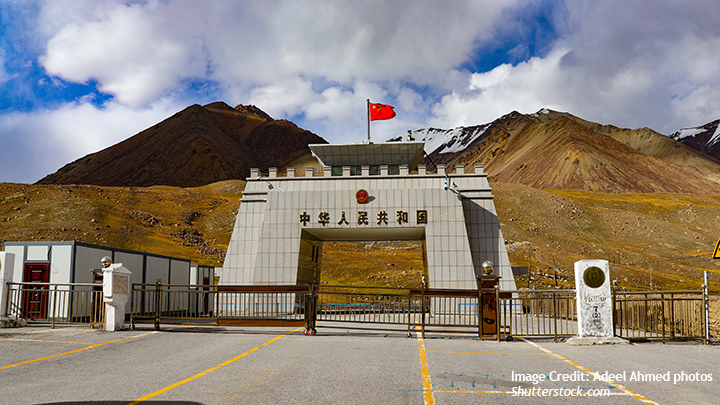
John S. Van Oudenaren
Abstract
China’s shift under Xi Jinping from a regionally focused foreign policy in East Asia to a global strategy challenging U.S. leadership may seem abrupt, but it has unfolded gradually. South Asia has been central to this transition, particularly through its role in the Belt and Road Initiative (BRI), which has helped extend China’s influence beyond its immediate neighborhood. Several factors explain the region’s importance. South Asia’s strategic geography is critical to China’s connectivity and security objectives. Its complex power dynamics also allow Beijing to exploit tensions between India’s traditional dominance and the ambitions of states such as Pakistan and Bangladesh. In addition, the absence of cohesive regional institutions comparable to ASEAN enables China to expand its influence through overlapping, Sino-centric multilateral frameworks. Finally, the shared narrative of a rising Global South provides a normative basis for engagement between China and South Asian states.