Shifting Balances in South Asia
Nicola Missaglia, Jagannath Panda and Michele Danesi
South Asia is undergoing a period of profound transformation, driven by climate stress, political instability, social unrest, and unresolved conflicts. Yet to what extent are these domestic turbulences shaped by the region’s shifting geopolitical environment? And how are South Asian states navigating an increasingly competitive regional order?
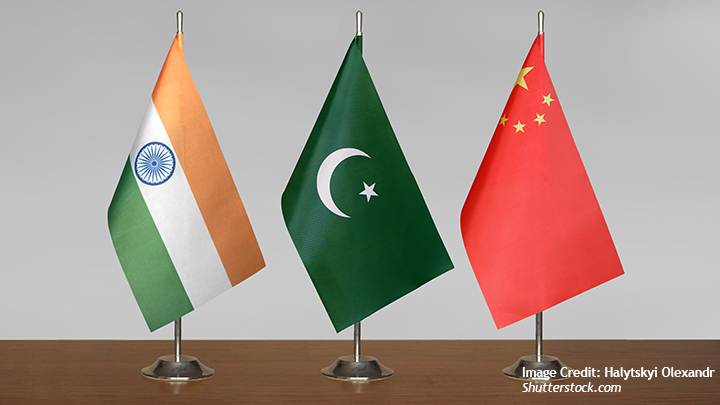
This Dossier explores how rivalry between India and China is redefining South Asia’s strategic landscape, from the stalled Himalayan border dispute to growing competition for influence through political backing, infrastructure, and energy investments. It examines the strategies of New Delhi and Beijing and the ways in which key countries in the region balance their relationships with both powers. The analysis also looks beyond regional dynamics, assessing the role of external actors such as the European Union and Japan. The signing today of the long-awaited EU-India trade agreement underscores South Asia’s rising relevance: not only as a theatre of regional competition, but as a central node in wider global economic and strategic networks.
This dossier is a collaborative publication effort between ISPI (Italian Institute for International Political Studies) and the Stockholm Center for South Asian and Indo-Pacific Affairs (SCSA-IPA) of the ISDP’s research project titled, ‘The Silk Noose: China’s Power Architecture in South Asia and Indian Ocean Region’.