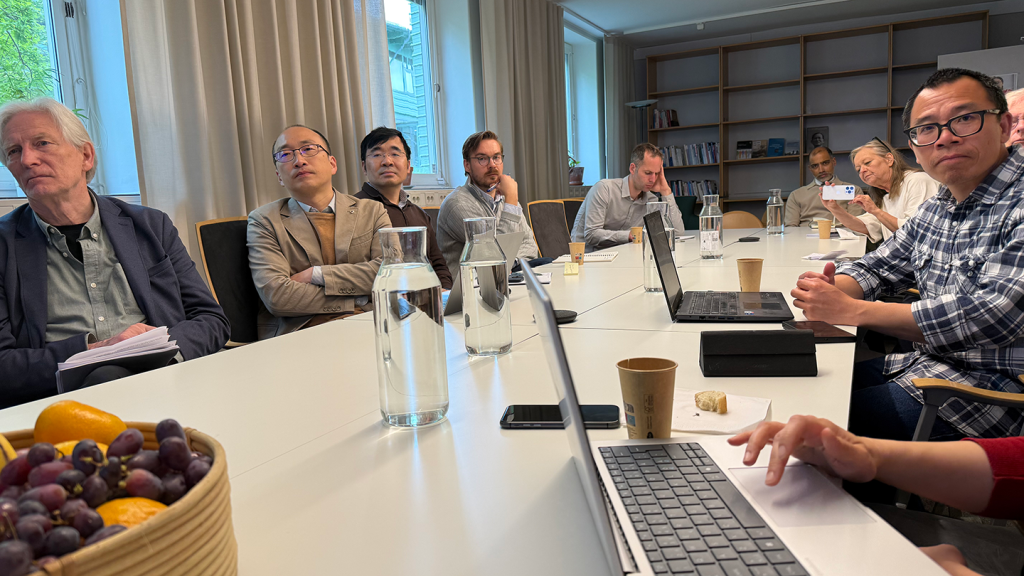
“India’s Search for Major Power Status and the US-China Rivalry”: ISDP hosted an engaging academic interaction with Prof. T. V. Paul and Prof. Nabanita Chaddha Behera
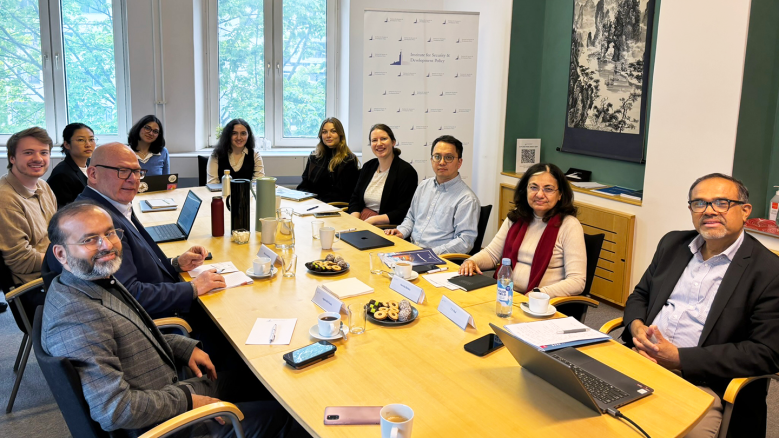
May 20, 2026: The Stockholm Center for South Asian and Indo-Pacific Affairs (SCSA-IPA) hosted an engaging academic interaction on May 19 titled “India’s Search for Major Power Status and the US-China Rivalry,” bringing together two distinguished scholars of international relations: Prof. T. V. Paul (McGill University, Canada) and Prof. Nabanita Chaddha Behera (University of Delhi, India). The discussion explored India’s evolving strategic posture amid intensifying great power competition, particularly in the context of the growing US-China rivalry and the changing architecture of global politics.
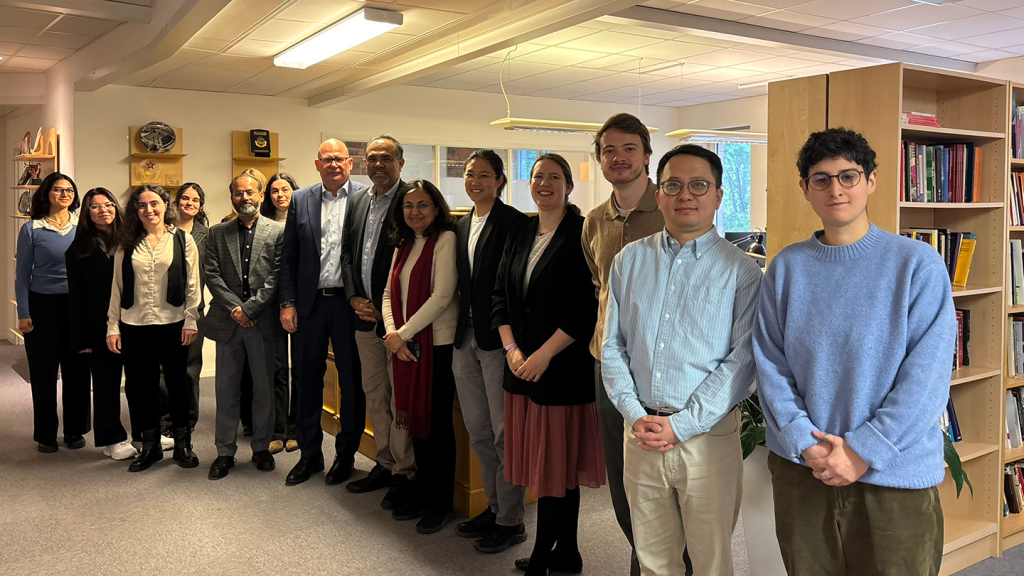
The interaction offered wide-ranging reflections on India’s foreign policy priorities, India-China relations, Sino-US strategic competition, and the broader implications of geopolitical fragmentation for the Indo-Pacific and the Global South. Dr. Niklas Swanström, Director of ISDP, welcomed the speakers and steered the discussion, highlighting the importance of informed academic dialogue at a time of significant global transition. Dr. Jagannath Panda, Head of the SCSA-IPA, moderated the conversation, facilitating an engaging exchange between the speakers and participants on themes ranging from strategic autonomy and multipolarity to regional security and global governance. The event brought together scholars and researchers for a timely and intellectually stimulating dialogue.
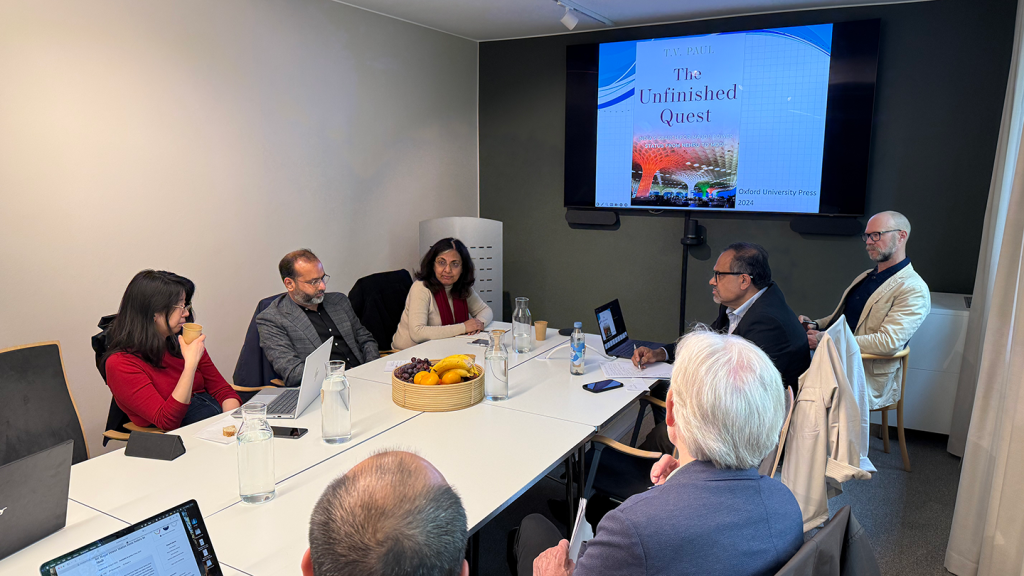
In a related engagement, Dr. Jagannath Panda also participated in a panel discussion titled “India in an Age of Great Power Rivalry” hosted by the Stockholm School of Global Asia, Stockholm University. The panel featured Prof. T. V. Paul and Prof. Nabanita Chaddha Behera, and examined India’s strategic choices and diplomatic positioning in an increasingly contested international order. Prof. Johan Lagerkvist moderated the session, while Prof. Eva Hansson hosted the speakers and welcomed participating faculty members, scholars, and students. The discussion reflected the growing interest in India’s global role and the broader Indo-Pacific dynamics shaping contemporary world politics.