
China’s Silk Noose Raises Strategic Alarm: Third Stockholm Himalaya Forum Calls for Greater Indo-Pacific and Western Vigilance
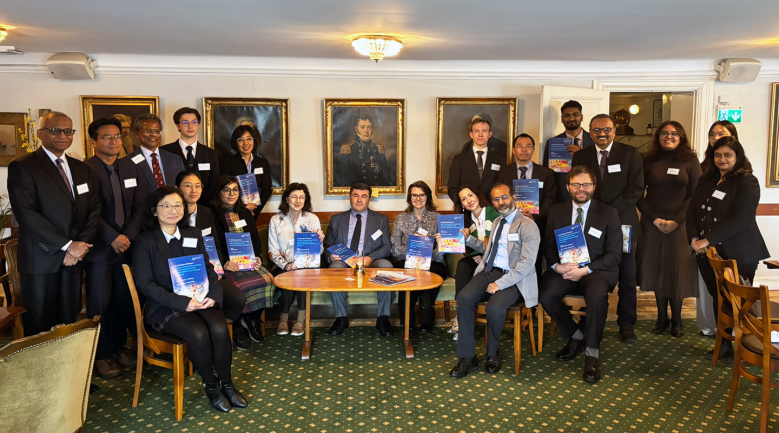
Stockholm, October 16, 2026 — Strategic experts at the Third Stockholm Himalaya Forum today raised concerns about China’s transformation into an increasingly demanding, transactional, and strategically unpredictable actor.
Speaking at the Forum organized by the Stockholm Center for South Asian and Indo-Pacific Affairs (SCSA-IPA) of the Institute for Security and Development Policy (ISDP), under the theme “The Silk Noose: From Himalayan Frontiers to Maritime Encirclement,” participants said China’s expanding economic and security footprint, combined with limited transparency surrounding major infrastructure initiatives, had reinforced perceptions of Beijing as a potentially suspect strategic actor whose intentions require careful assessment.
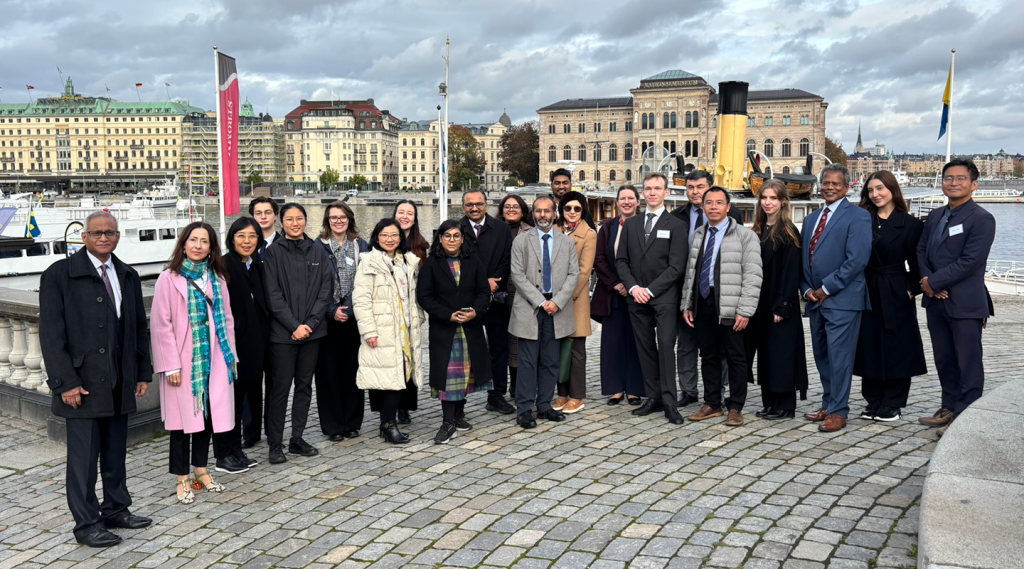
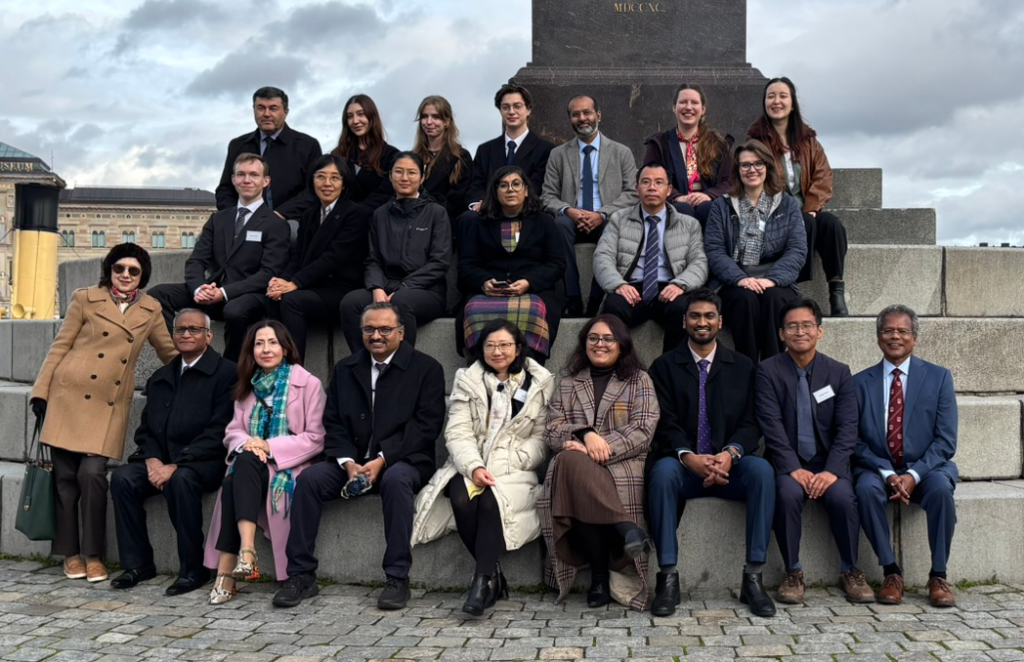
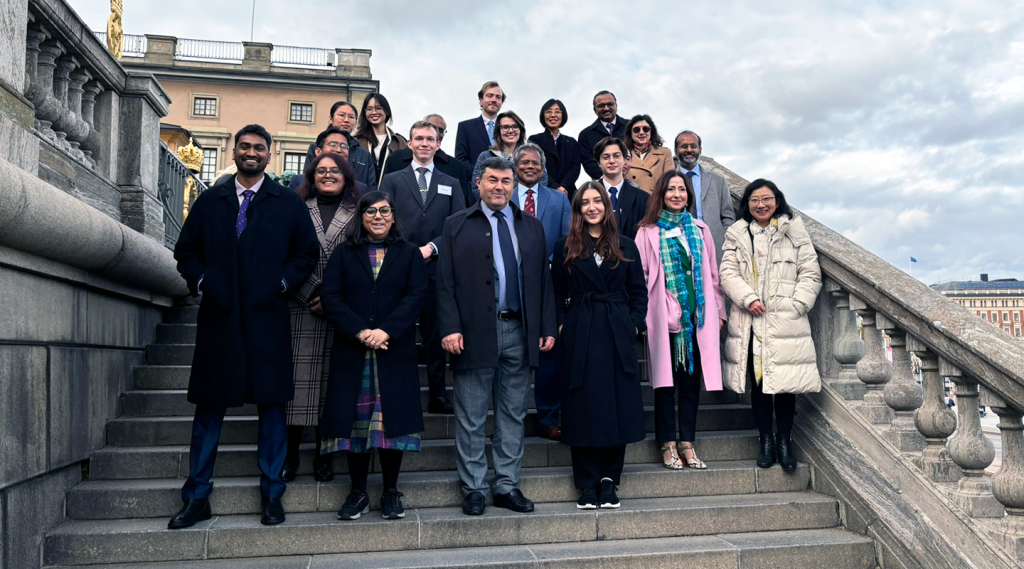
The Forum brought together scholars, strategic analysts, and policy experts from the United States, United Kingdom, Poland, Sweden, Serbia, Armenia, Japan, India, South Asia, and Southeast Asia to examine China’s expanding strategic presence and influence across the Himalayan region, South Asia, and the Indian Ocean.
Building on its previous editions, “China’s Himalayan Hustle” (2024) and “Climate Crisis in Tibet” (2025), the Third Forum broadened its strategic focus from the Himalayan frontiers to China’s continental and maritime ambitions. Participants emphasized that Beijing’s activities in the Himalayas must be understood within the wider framework of its Belt and Road Initiative (BRI), regional connectivity strategies, and evolving Indo-Pacific security calculations.
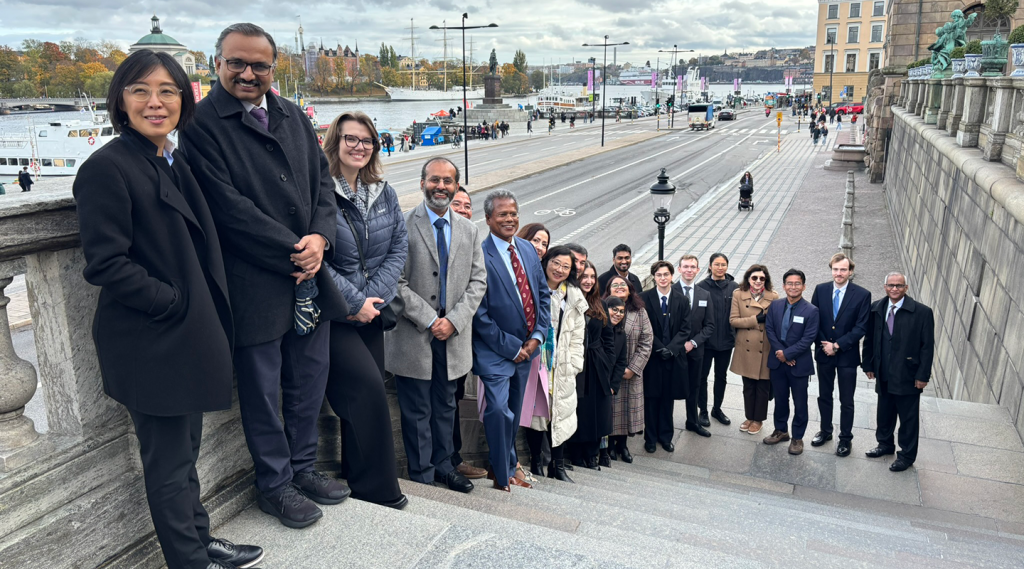
Welcoming the speakers and participants, Dr. Jagannath Panda, Head of SCSA-IPA and Convener of the Forum, expressed serious concerns over China’s increasingly unilateral and revisionist approaches toward the Himalayan region. He emphasized that Beijing’s expanding infrastructure footprint, territorial assertiveness, transboundary water projects, and political influence require greater international scrutiny. Delivering the inaugural remarks, Dr. Niklas Swanström, Executive Director of ISDP, highlighted the importance of examining China’s growing presence in South Asia and the Indian Ocean, particularly its wider strategic implications for Europe.
A central concern was China’s Medog hydropower megaproject on the Yarlung Tsangpo River, particularly its potential ecological and strategic consequences for downstream countries, including India and Bangladesh. Against the backdrop of Nepal’s devastating flash floods, participants questioned China’s willingness to accommodate the environmental vulnerabilities and security concerns of smaller Himalayan states. The experts expressed concern that Beijing might remain insufficiently responsive to regional ecological disasters. Discussions highlighted the urgent need for transparency, responsible transboundary water governance, and stronger regional consultation mechanisms.
The Forum underscored that China’s influence operations along BRI corridors are not merely a South Asian concern but carry significant implications for Europe and the wider West. Beijing’s expanding control over critical infrastructure, digital connectivity, maritime logistics, and political narratives could reshape the strategic environment in which European and American interests operate. For the European Union, these developments raise questions about supply-chain resilience, infrastructure security, economic dependencies, and the credibility of its Global Gateway initiative. For the United States, China’s growing corridor networks could complicate regional security partnerships and maritime access. Participants emphasized that Washington and Brussels must examine how economic connectivity can translate into political influence and strategic leverage. Greater EU–US coordination with India, Japan, and regional partners could strengthen transparency, sustainable connectivity, and institutional resilience across the Indo-Pacific.
The Forum also raised a fundamental security question: Who will provide security in an increasingly contested Indo-Pacific? Discussions highlighted the United States’ continuing importance as a global security provider and India’s growing responsibility as a regional security actor, particularly in South Asia and the Indian Ocean. Participants examined how these roles could complement one another while preserving regional strategic autonomy.
The Third Stockholm Forum concluded by emphasizing that the Indo-Pacific, Europe, and the United States must take serious note of China’s evolving strategic behavior. Strengthening regional resilience, ecological security, infrastructure transparency, and cooperative security arrangements will be essential to safeguarding sovereignty and maintaining a stable regional order.
During the forum, the two Stockholm Papers “From Silk Cage to Silk Noose-I: CPEC and China’s Strategic Web: Power, Connectivity, and Control in Pakistan and Beyond” and “From Silk Cage to Silk Noose-II: The Bay of Bengal Nexus: China’s Corridor Statecraft from BCIM (CMBC) to the Indochina Peninsula” were released.
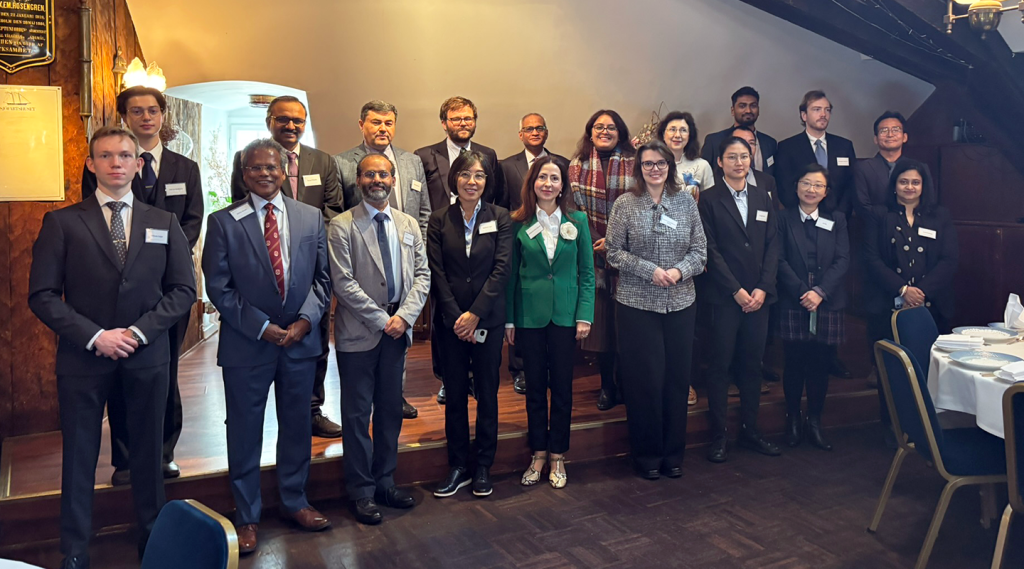
The Forum featured four thematic panels examining different dimensions of China’s strategic expansion. The first panel, “CPEC and Pakistan at the Heart of China’s Strategic Corridor Strategy,” assessed the China–Pakistan Economic Corridor, Gwadar Port, CPEC 2.0, and the implications of growing Chinese investments for Pakistan’s sovereignty and strategic autonomy. The second panel, “Beyond BCIM: China’s New Strategic Geography of the Bay of Bengal,” examined China’s evolving connectivity ambitions involving Bangladesh, Myanmar, and Southeast Asia, particularly the strategic significance of Kyaukphyu Port. The third panel, “Ports, Power and Presence: China, Sri Lanka and the Indian Ocean,” explored Beijing’s expanding maritime presence, port investments, and strategic positioning. The fourth panel, “From Himalaya Belt to South Asia: China’s Cultural Influence,” examined China’s growing cultural and political influence and its implications for regional institutions and societies.
About ISDP
The Institute for Security and Development Policy is a Stockholm-based independent and non-profit research and policy institute. The Institute is dedicated to expanding understanding of international affairs, particularly the interrelationship between the issue areas of conflict, security and development. The Institute’s primary areas of geographic focus are Asia and Europe’s neighborhood.